Progress of digital printing replacing traditional large-format printing

Progress of digital printing replacing traditional large-format printing

In the industry, "digital printing" typically refers to sublimation transfer across three main production lines: ink is first printed onto transfer paper, then vaporized at high temperatures to penetrate fibers, with colors appearing from within the fabric. Traditional wide-format printing uses solvent or eco-solvent inks applied directly to vinyl, backlit film, and banner materials. The third line is UV printing, where ultraviolet-cured ink is applied to rigid substrates.

先分清三条产线

行业里讲的数码印花,多指热升华转印:墨水先打在转印纸上,高温气化进纤维,颜色从布里透出来。传统喷绘走溶剂与弱溶剂墨水,直接落在写真纸、灯片、喷绘布上。再加一条UV喷绘,紫外固化墨打硬质板材。三种工艺管的活不同,替代进度要分开算,混在一起谈容易得出偏的结论。

被换掉的是哪一段

商场软膜、布艺展具、室内灯箱画面这几类,印花的份额涨得明显。同一幅画面,印花布看不到喷头通道纹,张紧后色面均匀;接缝靠热合,不必像喷绘布那样重叠补色;室内空间敏感的异味问题,热升华墨水也轻得多。连锁门店的画面更新,多数走的是这一档。

暂时换不动的三段

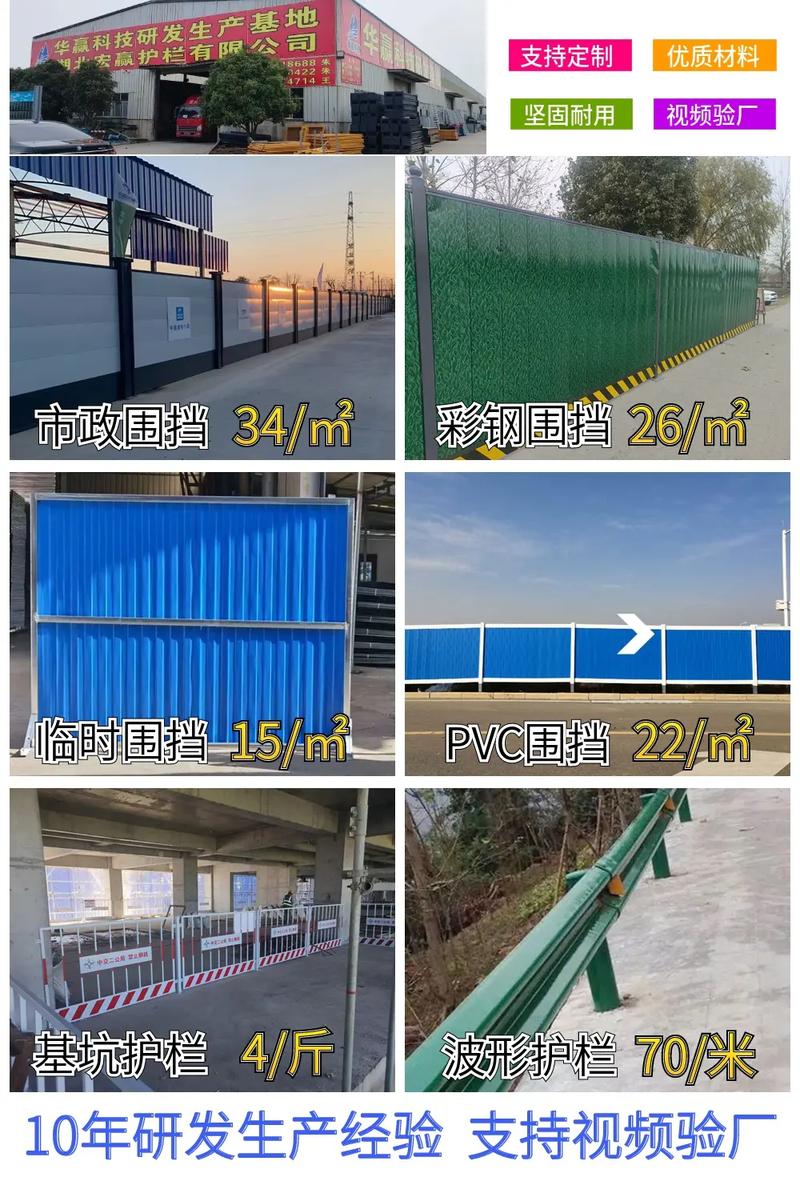
户外大幅面、超宽幅与临时物料仍归传统喷绘。整条围挡按平米算账,印花布的基材与转印成本压不下来;三米五以上幅面,印花设备与热合台都不占优;档期只有几天的活动物料,谁出货快谁合适,工艺新旧不在考虑范围内。

色彩与批次是另一本账

印花走纤维,色面偏柔;喷绘走涂层加覆膜,表面偏亮。同一主视觉跨两种工艺出,肉眼就能看出差。我们的做法是把品牌色拆成两套数值,布面一组、膜面一组,留样上墙比对,不拿一张屏幕稿定所有基材。批次记录与源文件一起归档,补单比对有据。

工期与后处理

印花出机即干,裁边就能装;喷绘要晾、要覆膜、要打扣眼与包边,工序多一道,风险多一道。覆膜本身也是变量,膜厚、胶层、压合温度都会影响画面寿命,选膜这一步不该省。

打样与小批量走印花

十几米的画面、五种规格的门头灯箱,印花改完文件就能出,不必为一张版单独开机。上千米的围挡反过来,喷绘的单价优势明显。同一客户两类需求都有,我们按米数分单排产,不做一刀切,交期与色差都好管。

耐候要按本地条件算

重庆湿度大、夏季闷晒,户外画面褪色的同时还会返潮、起鼓边、长霉斑。印花布先失效的位置常在热合位,喷绘布多在墨层与膜层之间分离,两种模式不同,判定标准要分别写进验收单。

采购口径:按场景选工艺

室内看气味与色面,户外看幅面与预算,短期活动看交期。把新工艺当卖点抬价的,让他先出同版比对样,色面、张紧、边口一次看清。

配图的参照

两张图为橙品礼盒包装的设计示意,属渲染稿而非实物照片,版面层级与色块可作印刷色彩参照,与喷绘、印花产线无直接对应,正文不引用其内容作依据。


Related Articles

See other articles in the same category to compare material selections and construction methods.

View all articles
Smart Control Trends in Signage Lighting

Smart Control Trends for Signage Lighting

The biggest shift in storefront lighting over the past two years isn't in the LEDs themselves, but in how they're controlled—when they turn on, how long they stay on, and at what brightness. Previously, a single timer controlled the entire circuit: lights turned on at dusk and off at dawn. Today, the first question from owners is often "How can we cut electricity costs?" Control systems are now split into multiple zones for facade lettering, soffit lightboxes, and window displays.

Shifts in labor structure of the signage industry

Shifts in labor structure within the signage industry

This hiring line reflects the current challenge: it's not a lack of applicants, but a mismatch between their skills and our needs. While storefront signage work appears simple, doing it end-to-end requires proficiency in measuring, frame assembly, electrical connections, and edge finishing. Roles are becoming more specialized. In the past, one master technician supervised two helpers to handle welding, installation, and wiring independently.

New Efficiency Standards for Illuminated Letter Modules

New Energy Efficiency Standards for LED Sign Modules

For LED sign modules, recent price quotes have added a metric that previously drew little attention: luminous efficacy. For signs of equal brightness, high-quality modules can save hundreds of dollars in annual electricity costs compared to inferior ones; the more signs you have, the greater the savings. Efficacy measures how much light is produced per watt, not the rated power. A package may claim 0.72W, but actual consumption can reach zero...

Regularize outdoor advertising safety inspections

Establish routine safety inspections for outdoor advertising

Outdoor advertising inspections used to be conducted only when high-wind warnings were issued; now they are gradually becoming a routine quarterly activity. The reason is straightforward: if a billboard falls, accountability is traced back to who installed it and who maintains it, with records readily available. The first item on the checklist is structural integrity and fastening—clamps, flanges, expansion bolts, and welds.

Yu ICP Be 18012268 No. -2